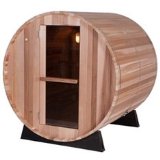
Basement Saunas - Turn Unused Space into a Home Spa
A basement sauna offers a convenient and effective way to bring wellness into your home. Basements are ideal locations for saunas due to their privacy, consistent temperatures, and the opportunity to create a dedicated relaxation space. With careful planning, a basement sauna can become a long-term feature that enhances both your home and your lifestyle.
What are the Advantages of a Basement Sauna?
Basements provide several practical benefits when it comes to sauna installations:
- Privacy and quiet: Located away from main living areas, basements offer a secluded environment, ideal for uninterrupted sauna sessions. This separation allows for a more immersive experience.
- Stable temperature and humidity: Being underground, basements naturally maintain more consistent temperatures, which improves the efficiency and performance of the sauna.
- Flexible design space: Basements can accommodate both compact saunas and larger custom installations. They can also support adjacent features such as showers, cold plunge tubs, or lounge areas, making the sauna experience more complete.
- Home value: A professionally installed basement sauna can increase property value and appeal, particularly for buyers interested in luxury home amenities.
Additionally, basements typically have fewer windows, which helps maintain a controlled environment for both heat and humidity, enhancing the sauna’s effectiveness.
Types of Saunas That Work For Basements
Choosing the right sauna type is essential for both comfort and practicality. Each type has distinct features that influence installation requirements and performance.
Traditional Finnish Sauna
A traditional sauna is characterized by high heat (typically 160–200°F) and dry air, with the option to generate steam by pouring water over heated stones.
- Installation considerations: Electric heaters are the most practical choice for basement use, as wood-burning stoves require chimney venting and more stringent fire safety measures.
- Materials: Cedar, hemlock, and spruce are preferred for their heat tolerance, natural aroma, and aesthetic appeal.
- Experience: Provides an authentic sauna feel with high heat and the occasional burst of steam. This type of sauna is ideal for those who enjoy intense, traditional sessions and a classic wooden sauna atmosphere.
Infrared Sauna
Infrared saunas use panels that emit infrared heat to warm the body directly, rather than heating the air. Temperatures range from 120–150°F.
- Advantages: Lower operating temperatures, faster heating, and minimal ventilation requirements make infrared saunas well-suited for basements.
- Energy efficiency: Infrared panels consume less electricity than traditional heaters.
- Space flexibility: Compact infrared units can fit in smaller basement corners or under staircases, making them ideal for urban or limited spaces.
Steam Sauna (Steam Room)
Steam saunas maintain nearly 100% humidity at temperatures around 110–120°F.
- Installation requirements: Requires waterproof walls, vapor barriers, and a reliable drainage system. Plumbing access is essential.
- Design considerations: Steam rooms provide a gentle, humid heat ideal for respiratory and skin benefits, but they require careful moisture management to avoid mold or structural issues.
- Experience: Offers a spa-like atmosphere and is often paired with adjacent shower or cold plunge areas.
The easiest option would be an infrared sauna, as all you need is a dedicated outlet and you're good to go. You don't need to worry about plumbing & ventilation and they will typically be less costly than the other options.
Main Considerations For Installation
Basement sauna installation involves both technical and design decisions that impact performance, safety, and comfort.
Ventilation
Proper ventilation is critical for maintaining air quality and preventing excess humidity, which can lead to mold or mildew. Most sauna designs incorporate both intake and exhaust vents. In some cases, integration with the home’s HVAC system or a dedicated fan system ensures consistent airflow.
Moisture Management
As we all know from experience, basements are naturally prone to moisture. Effective moisture control involves:
- Installing vapor barriers behind sauna walls
- Using moisture-resistant insulation
- Selecting sealed flooring materials, such as tile or coated concrete
- For steam saunas, these precautions are particularly important to maintain structural integrity and prevent long-term damage.
Electrical Requirements
Sauna heaters generally require dedicated 220V circuits. Lighting, controls, and other electrical components should also be rated for high heat and humidity. Electrical work should always be performed by a licensed professional to ensure safety.
Ceiling Height
A ceiling height of approximately 7 feet (2.1 meters) is ideal to allow heat to circulate evenly. Higher ceilings can reduce the efficiency of heat distribution and increase energy consumption.
Material Selection
Wood selection affects both aesthetics and functionality. Cedar, hemlock, and spruce are ideal due to their natural resistance to heat, humidity, and decay. They also contribute to the classic sauna aroma and atmosphere.
Lighting and Ambiance
Saunas benefit from subdued lighting to create a calming environment. Recessed LEDs, soft overhead lights, or indirect lighting behind benches enhance the relaxing experience without creating glare.
Design Options for Basement Saunas
Basement saunas can be customized to suit personal style and space constraints. Here are some design approaches:
- Compact units: Infrared or small two-person saunas can fit into corners, under staircases, or in tight spaces.
- Traditional aesthetic: Wooden benches, tiered seating, and natural wood finishes create an authentic sauna experience.
- Modern design: Glass panels, darker wood tones, and integrated LED lighting achieve a contemporary, spa-like appearance.
- Wellness suites: Larger basements can accommodate multiple features, such as cold plunge tubs, towel storage, seating areas, and even relaxation lounges.
Additional enhancements can elevate the experience:
- Built-in audio systems for music or guided meditation
- Aromatherapy diffusers using essential oils such as eucalyptus or pine
- App-controlled temperature and timer settings for convenience
- Colored LED lighting to support different wellness goals (red for muscle recovery, blue for relaxation)
Creating an adjacent cooling or relaxation zone enhances comfort, allowing for safe and pleasant transitions between heat and rest.
Basement Saunas - The Bottom Line
A basement sauna is a practical and versatile home addition that transforms an underutilized space into a private wellness retreat. With attention to ventilation, moisture control, electrical requirements, and design, a basement sauna can be both safe and functional.
Whether you choose a traditional Finnish sauna, an infrared unit, or a steam room, a basement installation allows for a year-round spa experience without leaving home.
Thoughtful design and carefully selected features ensure that your sauna is not only a functional space but also a visually appealing and relaxing environment — a sanctuary for health, relaxation, and comfort.

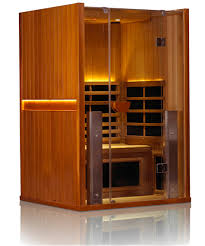
Infrared Saunas
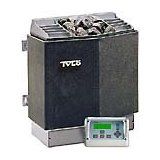
Sauna Heaters
How to Install a Wood Sauna Heater
Sauna Kits

Buying Guide