Far Infrared Saunas vs. Mid and Near...What's the Difference?
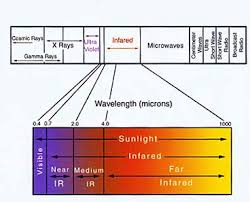
You may have heard that far infrared saunas can provide some of the most meaningful health benefits of any sauna type available. But what many people don’t realize is that not all infrared heat is the same.
There are actually three different infrared wavelengths—each with its own role:
- Far Infrared (fIR)
- Mid Infrared (mIR)
- Near Infrared (nIR)
And depending on the sauna you choose, you may be getting just one…or all three.
Here we’ll break down exactly how each works so you know what you’re actually getting—and what matters most when choosing a sauna.
And if you're just getting started check out our Infrared Sauna Guide.
Far Infrared Saunas
For starters, it's important to know that in order to achieve any health benefits from a sauna, it needs to be over 90% effective at delivering whatever wavelength it purports to.
If it isn't, you're simply having a "hot experience" rather than heating up your body's core temperature, where the health benefits lie.
That distinction is huge, and it’s one of the main reasons why heater quality matters so much (and why not all saunas are created equal).
Why Far Infrared is So Popular
Now let’s start with far infrared—by far the most common type you’ll see in home saunas.
- Longest wavelength
- Deepest overall penetration
- Primary driver of sweating + detox response
fIR works on more of a cellular level, helping stimulate sweat glands and increase core body temperature gradually and comfortably.
This is what leads to:
- Increased heart rate
- Improved circulation
- Higher metabolic activity
- A deeper, more productive sweat
Most of the top home sauna brands offer far infrared at a minimum, and many combine it with the other wavelengths.
Mid Infrared Saunas
Mid infrared sits right in between far and near—both in wavelength and function.
- Shorter than far infrared
- Longer than near infrared
- Targets soft tissue more directly
mIR is particularly effective for:
- Increasing blood flow
- Expanding blood vessels
- Supporting recovery in muscles and joints
Because of this, it’s often associated with:
- Reduced inflammation
- Faster muscle recovery
- Improved mobility
You typically won’t find saunas that use only mid infrared. Instead, it’s usually included in full spectrum models.
Full spectrum saunas, like those from Clearlight and Sunlighten, combine all three wavelengths so you can target different benefits depending on how you use it.
Near Infrared Saunas
Near infrared is the shortest wavelength—and behaves very differently from the other two.
- Most surface-level penetration
- Targets skin and tissue directly
- Often delivered through focused light panels (not large heaters)
When properly delivered, nIR is associated with:
- Skin rejuvenation
- Wound healing
- Tissue repair
- Improved cellular regeneration
This is why near infrared is often compared to red light therapy, although in a sauna environment it works alongside heat exposure.
Again, this is typically found in full spectrum saunas, not standalone systems.
Far Infrared vs. Mid vs. Near - The Health Benefits
As we mentioned above, each of the three wavelengths of infrared penetrates the body to a different degree, and as such provides unique benefits that the others do not.
Here is a general breakdown of health benefits and which wavelengths offer it:
Relaxation: Far, Mid and Near Infrared
Detoxification: Far and Mid Infrared
Pain Relief: Far, Mid and Near Infrared
Cardio: Far, Mid and Near Infrared
Anti-Aging: Far and Near Infrared
Weight Loss: Far and Mid Infrared
The key takeaway here is that no single wavelength does everything best—they complement each other.
Full Spectrum vs. Far Infrared Saunas
Far Infrared Only Saunas (Most Common)
Far infrared–only saunas are the most widely available and typically the most affordable.
They focus on delivering a deep, consistent heat that drives:
- Sweating and detoxification
- Cardiovascular benefits
- Relaxation and stress reduction
For many people, this is more than enough.
If your goal is a simple, effective sauna experience at home, a high-quality far infrared sauna will get you there.
Check out our Best Infrared Saunas to see our top picks.
Full Spectrum Saunas (More Advanced)
Full spectrum saunas include all three wavelengths—far, mid, and near—within the same unit.
This allows you to adjust how you use the sauna, rather than being locked into one type of heat.
For example:
- Use standard far infrared sessions for daily use
- Add mid infrared when focusing on recovery
- Use near infrared for more targeted, shorter sessions
Most higher-end brands offer this flexibility, often with separate controls for each wavelength.
Which One Should You Choose?
Choose Far Infrared Only if:
- You want a more affordable option
- You care most about sweating, detox, and relaxation
- You prefer a simpler setup
Choose Full Spectrum Only if:
- You want maximum flexibility
- You plan to use your sauna frequently
- You’re interested in recovery or skin-focused benefits
Final Thoughts
If budget allows, full spectrum gives you more versatility.
That said, a well-built far infrared sauna from a reputable brand will still deliver the majority of the benefits most people are looking for.
The bigger mistake isn’t choosing between the two—it’s choosing a sauna that doesn’t effectively deliver infrared heat at all.