Best Home Sauna Kits: DIY, Precut and Prefabricated Options
Home sauna kits give you a way to add a traditional sauna to your home without designing and building everything from scratch. Depending on the type you choose, you may receive anything from the interior wood and benches to a nearly complete sauna that only needs to be assembled and connected.
I’ve been using saunas for more than 25 years and covering the home sauna industry since 2006. During that time, the number of available options has grown considerably. You can now choose from custom materials packages, precut liner kits, freestanding indoor rooms, outdoor cabins and barrel saunas.
The important thing is understanding what you are actually getting. The term “sauna kit” is used pretty loosely, and some options require considerably more work than others.
The Main Types of Home Sauna Kits
Most home sauna kits fall into one of three categories.
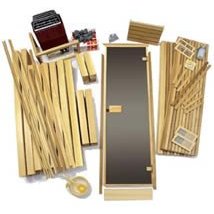
DIY Sauna Materials or Liner Kits
A materials package is designed for a space that you or a contractor will frame, insulate and prepare in advance.
The supplier generally provides the interior tongue-and-groove paneling, benches, trim, door, heater, stones and other necessary components. The exact materials are cut according to the dimensions of your room.
This gives you the most flexibility and allows the sauna to become a permanent part of your home. It is also the most demanding option because the framing, insulation, vapor barrier, ventilation and electrical work still need to be completed properly.
I would consider this type if you:
- Have an existing room or unfinished space to convert
- Need a custom size or layout
- Want the sauna to look like part of the house
- Have construction experience or plan to hire a contractor
Precut Sauna Kits
Precut kits are similar to materials packages. The main difference is that the paneling, trim and other interior components are cut to fit a specific room size.
You still need to build and prepare the structure, but you don’t have to purchase and cut every interior board yourself. Some companies offer standard sizes, while others prepare the package according to measurements you provide.
This can save quite a bit of time, but it is not the same as buying a complete sauna that simply snaps together.
Prefabricated or Modular Sauna Kits
A prefabricated sauna arrives as a collection of finished wall and ceiling panels. The benches, door and other major components may also be assembled or ready to install.
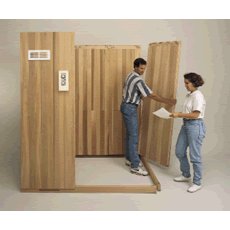
These kits require much less construction work. You generally connect the panels, install the benches and heater and have the necessary electrical connection completed.
Some modular saunas can be assembled in a day, although larger models and outdoor kits may take longer. You will still need a level foundation, sufficient clearance and access to the proper electrical service.
What Type Do I Recommend?
For most homeowners, the decision comes down to whether you want a permanent custom room or a freestanding sauna.
A liner or precut kit makes sense when you already have a suitable space and want the finished sauna to become part of the house. You get more control over the size, wood, bench layout and heater, but you will need more construction work.
A modular sauna is usually the better choice if you want a more straightforward installation. It may cost more than purchasing a basic materials package, but you can save time and avoid much of the framing and interior finishing.
I wouldn’t choose based on the advertised kit price alone. Consider the total cost of the project, including delivery, electrical work, permits, flooring, insulation, ventilation and any help you need from a contractor.
Recommended Home Sauna Kit Companies
I have not personally installed kits from all of these companies, so I don’t want to present this as hands-on testing. These are established suppliers offering different types of packages worth comparing.
Superior Saunas: Best Selection of DIY Options
Superior Saunas offers one of the broadest selections I’ve found. Its lineup includes cedar and aspen liner kits, indoor and outdoor saunas, barrel models, infrared kits, heaters, doors and individual construction materials.
This is a particularly good place to start if you are building the room yourself and want to compare different woods, heaters and layouts. The company also provides a planning tool to help you determine what the project will require.
View the sauna kits available from Superior Saunas →
Cedarbrook: Best for Custom Cedar Kits
Cedarbrook offers materials packages for converting framed spaces along with complete modular indoor and outdoor sauna kits.
Its materials packages generally include the cedar paneling, trim, benches, door and heater. Cedarbrook is worth considering if you specifically want a traditional cedar sauna or need something made for a particular space.
Learn more about Cedarbrook sauna kits →
Almost Heaven: Best Ready-to-Assemble Choice
Almost Heaven is one of the more recognizable traditional home sauna manufacturers. The company is particularly well known for its barrel saunas, but it also offers indoor rooms, outdoor cabins and other freestanding designs.
These are a better fit for someone who wants a complete sauna rather than a collection of materials for finishing an existing room. Assembly is still required, and most heaters will need the appropriate electrical connection.
View Almost Heaven home saunas →
Sunlighten: Best Infrared Alternative
An infrared sauna is different from a traditional sauna kit. It doesn’t use a stove and rocks to heat the room, and it won’t give you the same high-temperature experience.
However, it can be a much easier option for someone primarily interested in having a sauna at home without taking on a construction project.
I own a Sunlighten mPulse Conquer and have had a very positive experience with it. It arrives as finished panels and can be assembled inside the home without framing, insulation or extensive room preparation.
If you want traditional high heat and the ability to pour water over rocks, choose a traditional kit. If convenience, lower operating temperatures and infrared heating appeal to you more, Sunlighten is one of the first companies I would consider.
View Sunlighten models and current pricing →
What Should Be Included?
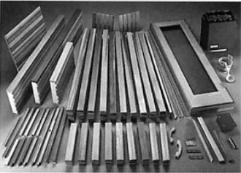
The contents vary considerably, so never assume that everything pictured is included.
A comprehensive traditional sauna kit may include:
- Interior wall and ceiling paneling
- Prebuilt or precut benches
- Backrests and bench supports
- Sauna door
- Trim and baseboards
- Heater and controls
- Sauna stones
- Heater guard
- Lighting
- Vent covers
- Flooring or removable floor sections
- Fasteners and installation instructions
A materials package may not include the framing lumber, exterior walls, insulation, vapor barrier, electrical wiring or finished floor. Outdoor kits may also require roofing materials or a separately prepared foundation.
Ask for a complete list before ordering so you can accurately compare the final cost.
What Does a Sauna Kit Cost?
Prices vary according to the size, wood, heater, design and amount of assembly completed by the manufacturer.
A basic liner package may start at several thousand dollars. Larger custom packages and complete modular saunas can easily exceed $10,000, especially after delivery and installation are included.
Additional expenses may include:
- Freight delivery
- Site preparation
- Electrical upgrades
- Professional assembly
- Building permits
- Flooring and drainage
- Roofing for an outdoor sauna
- Contractor or handyman costs
The least expensive kit is not always the least expensive completed project. A more complete modular package may cost more initially but require considerably less labor.
Important Installment Considerations
Electrical Requirements
Many traditional sauna heaters require a dedicated 240-volt circuit. The proper heater size and electrical requirements depend on the dimensions and construction of the room.
Have the wiring performed by a qualified electrician and follow the heater manufacturer’s specifications.
Framing and Installation
A liner or precut kit requires a properly framed room. Standard wood framing is generally used, followed by insulation and a foil vapor barrier before the interior paneling is installed.
The ceiling deserves particular attention because heat rises and inadequate insulation can make the sauna slower and more expensive to heat.
Ventilation
A traditional sauna needs appropriate air circulation. The location of the intake and exhaust vents will depend on the heater and room design.
Ventilation should be planned before the walls are finished, not added as an afterthought.
Flooring
The sauna should be installed over a durable, water-resistant surface. Concrete and tile are common choices. Removable wooden floor sections can then be placed over the finished floor for comfort.
Permits and Local Codes
Requirements vary by location. Check with your local building department before beginning construction, particularly if the project involves new electrical service or an outdoor structure.
Indoor or Outdoor Sauna Kit?
Indoor kits are protected from the weather and usually easier to use throughout the year. They also place you closer to a bathroom or shower. The main challenge is finding an appropriate space and safely managing the heat and moisture.
Outdoor saunas give you more flexibility with size and location, but the structure must be designed for your climate. You will need a solid, level base along with suitable roofing, exterior materials and electrical access.
A barrel sauna can be an attractive and relatively easy outdoor option. A properly insulated cabin, however, may retain heat better in very cold conditions.
Traditional Sauna Kit or Infrared Sauna?
Choose a traditional kit if you want:
- Higher temperatures
- A heater with sauna stones
- The ability to add water and create bursts of humidity
- A more traditional Finnish-style experience
- Greater control over the room design
Consider an infrared sauna if you want:
- Lower operating temperatures
- Less construction work
- A finished indoor cabinet
- Faster and simpler installation
- Infrared heating rather than a traditional stove
Neither choice is automatically better. They provide different experiences, and the right one depends on what you want from your sauna.
My Take on Home Sauna Kits
A home sauna kit can save you from sourcing every board, bench, door and component separately. But that doesn’t necessarily make it a simple weekend project.
If you are comfortable with framing and finish carpentry—or have a contractor helping you—a precut or liner kit gives you the most flexibility. It is also the best way to create a sauna that fits naturally into an existing room.
If you want fewer decisions and less construction, I would lean toward a modular indoor or outdoor sauna. You give up some customization, but you know what the finished sauna will look like and much of the difficult work has already been completed.
Whichever route you choose, pay attention to what is included, the electrical requirements and the total installed cost. Those details are ultimately more important than the price shown for the kit itself.
Frequently Asked Questions
Can you install a sauna kit yourself?
Some modular kits can be assembled by two reasonably handy people. A liner or precut kit requires more construction experience because the room must be framed, insulated, ventilated and finished correctly. Electrical work should be completed by a qualified electrician.
How long does installation take?
A smaller modular sauna may be assembled in several hours or over a weekend. A custom indoor project can take considerably longer once framing, wiring, insulation and finishing are included.
Does a sauna kit include the heater?
Many do, but not all. Confirm whether the heater, controls, stones and heater guard are included before ordering.
Do you need plumbing for a traditional sauna?
A traditional sauna does not necessarily require plumbing. You add small amounts of water to the heated stones rather than filling the room with continuous steam. A nearby shower and floor drain may be convenient but are separate considerations.
Is a sauna the same as a steam room?
No. A traditional sauna uses dry heat with occasional water added to the stones. A steam room uses a steam generator to maintain much higher humidity. The old phrase “steam sauna kit” is often used loosely, but the two rooms are constructed differently.
What is the best wood for a home sauna?
Cedar, aspen, hemlock and Nordic spruce are common choices. Cedar handles moisture well and has a recognizable aroma, while aspen has a lighter appearance and little scent. The best sauna wood choice depends on your budget, appearance preferences and sensitivity to wood aromas.