Traditional Saunas: Finnish (Dry) Sauna Guide for Your Home
Traditional saunas have been used for centuries for relaxation, recovery, and overall wellness. Unlike infrared saunas, which heat the body using infrared light, traditional saunas heat the air around you to create a high-temperature environment that promotes sweating and circulation.
Traditional saunas—often referred to as Finnish or dry saunas—use heated air and can produce brief bursts of steam when water is poured over hot rocks.
This guide explains how traditional saunas work, the different types available, and how they compare to modern infrared saunas.
Note: While traditional saunas can create short bursts of steam, this is different from a true steam sauna (steam room), which is designed to maintain constant high humidity throughout the entire session.
What Are Traditional Saunas?
A traditional sauna heats the surrounding air using a stove or heater, typically reaching temperatures between 150°F and 195°F, possibly more. The heat causes the body to sweat, which many people use for relaxation, muscle recovery, and cardiovascular benefits.
Traditional saunas have been part of wellness culture for hundreds of years, especially in Nordic countries where the Finnish sauna originated.
Compared to infrared saunas, traditional saunas rely on ambient heat and humidity rather than light waves to warm the body.
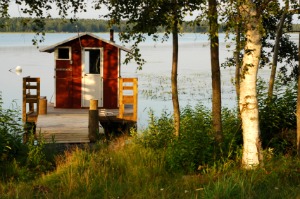
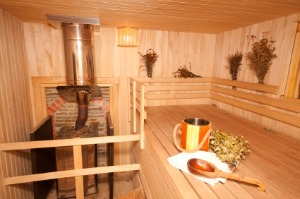
The interior of a traditional sauna is usually made of a strong hardwood and will have bench seating where you can relax and unwind. Most people relax in a sauna for no more than twenty minutes, then take a cool shower or go for a dip in a swimming pool.
Many people repeat this cycle of relaxing in the steam and getting a brisk rinse-off three or four times for maximum effect.
Types of Sauna Experiences (Traditional vs Steam)
There are two main sauna experiences commonly compared: traditional (Finnish) saunas and steam saunas (steam rooms).
Finnish Saunas (Dry Saunas)
Finnish saunas are the classic form of traditional sauna. They use a wood-burning or electric heater to warm rocks that heat the air inside the sauna room.
Typical characteristics include:
- Temperatures between 170°F and 195°F
- Low humidity (unless water is poured over the rocks)
- Wood-lined sauna rooms
- Electric or wood-burning heaters
Many people refer to these as dry saunas, although humidity can be increased slightly by pouring water over the heated stones.
For a deeper look at how they work and their benefits, see our full guide to Finnish saunas and dry saunas.
Steam Saunas (Steam Rooms)
While traditional saunas can create brief bursts of steam by pouring water over hot rocks, steam saunas—more commonly called steam rooms—are designed to generate continuous moist heat using a steam generator.
Key characteristics include:
- Lower temperatures (usually 110°F–120°F)
- Nearly 100% humidity
- Moist heat environment
- Often tiled rather than wood interiors
Because of the humidity, steam rooms feel very different from Finnish saunas even though both promote sweating and relaxation.
Learn more in our guide to steam saunas and steam rooms.
Traditional Sauna Heaters
A traditional sauna is built around its heater, which warms the air and heats the sauna stones. These stones radiate heat throughout the room and allow bathers to pour water over them to create steam, known as löyly in Finnish sauna culture.
Traditional sauna heaters generally fall into three categories: electric heaters, wood-burning stoves, and propane (gas) heaters. Each produces the high temperatures associated with traditional saunas, typically ranging from 150°F to 195°F, but they differ in installation requirements and the type of sauna experience they provide.
Electric Sauna Heaters
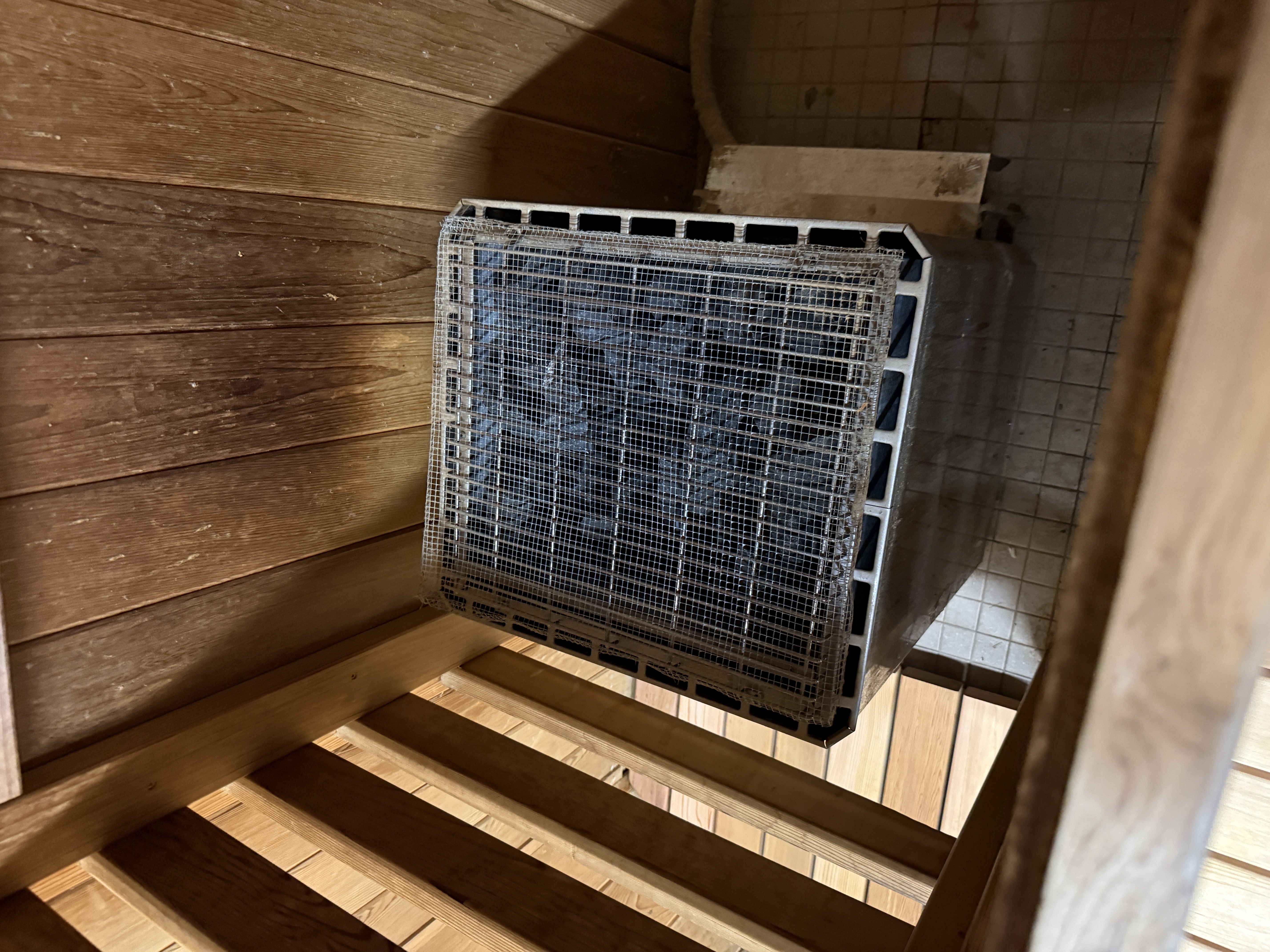
Electric heaters are the most common option for indoor home saunas. They are easy to operate, heat up quickly, and allow users to control temperature with built-in or external controls.
Benefits of electric sauna heaters include:
- Convenient and easy to use
- Precise temperature control
- Minimal maintenance
- Ideal for indoor residential saunas
Many modern electric heaters also include digital controls, timers, and safety shut-offs, making them a popular choice for homeowners.
Wood-Burning Sauna Heaters
Wood-burning heaters provide the most traditional sauna experience. These heaters burn firewood to heat the stones and air inside the sauna.
They are most commonly used in outdoor saunas, cabins, and rural settings where chimney installation and ventilation are easier.
Advantages include:
- Classic sauna atmosphere
- Very high heat output
- No electricity required
- Popular in Finnish-style outdoor saunas
Many sauna enthusiasts enjoy the ritual of lighting the fire and gradually bringing the sauna up to temperature.
Propane Sauna Heaters
Propane sauna heaters are a less common but practical option, especially for outdoor saunas in locations where electricity is limited or unavailable.
These heaters operate using propane gas and can heat a sauna quickly while still allowing water to be poured over the stones to create steam.
Propane heaters are often used for:
- Off-grid saunas
- Outdoor barrel saunas
- Remote cabins or camps
They offer a middle ground between the convenience of electric heaters and the independence of wood-burning stoves.
Check out our guide to sauna heaters to learn more about each type.
Indoor vs Outdoor Traditional Saunas
Traditional saunas can be installed indoors or outdoors, and both options are popular for home sauna installations. The best choice usually depends on available space, ventilation, and how you plan to use the sauna.
Indoor Traditional Saunas
Indoor saunas are often installed in:
- Basements
- Home gyms
- Bathrooms
- Dedicated wellness rooms
Indoor installations are convenient because they are easily accessible year-round and typically connect to the home’s electrical system.
Most indoor traditional saunas use electric heaters, which are simple to operate and maintain.
Outdoor Traditional Saunas
Outdoor saunas are becoming increasingly popular, especially in colder climates where the contrast between the hot sauna and cool outdoor air enhances the experience.
Common outdoor sauna styles include:
- Barrel saunas
- Cabin-style saunas
- Garden sauna rooms
Outdoor saunas are often wood-burning or electric, and they allow for features like cold plunges, outdoor showers, or relaxation areas nearby.
Traditional Sauna vs Infrared Sauna
Many people researching traditional saunas are also considering infrared saunas, which heat the body differently.
Infrared saunas use infrared heaters that warm the body directly rather than heating the surrounding air. They typically operate at lower temperatures but can still produce significant sweating.
If you're deciding between the two, see our complete infrared sauna guide, where we cover how infrared saunas work, their health benefits, and the best models available.
Traditional Sauna Benefits
Both Finnish saunas and steam rooms are used for a variety of health and wellness purposes, including:
- Muscle relaxation and recovery
- Improved circulation
- Stress relief
- Cardiovascular conditioning
- Detoxification through sweating
Many athletes and wellness enthusiasts incorporate sauna sessions into their regular routine for recovery and relaxation.
You can check out our sauna benefits page to learn more.
Choosing the Right Traditional Sauna
The best type of traditional sauna depends on your preferences and how you plan to use it.
Choose a Finnish sauna if you want:
- Higher temperatures
- A classic sauna experience
- Adjustable humidity levels
- A traditional wood sauna environment
Choose a steam sauna if you prefer:
- Lower temperatures
- High humidity
- Respiratory benefits from moist heat
- Spa-like steam room environments
Both styles can be used regularly and provide similar wellness benefits.
Explore More Sauna Guides
If you're researching home saunas or trying to decide which type is right for you, these guides may also help: