Prepare for a Visit to a German Sauna
For many first-time visitors, a trip to a German sauna can be a surprising experience. Sauna culture in Germany differs significantly from what most Americans are used to, and understanding the customs can make your visit much more comfortable and enjoyable.
Let's jump right in and see what the Germany sauna experience is all about.
The Role of Saunas in German Life
Germans take wellness seriously, and the sauna plays a central part in that philosophy. The practice dates back over a century, influenced by both Scandinavian sauna culture and Germany’s own Kurorte (spa towns) tradition. These spa towns — such as Baden-Baden, Wiesbaden, and Bad Kissingen — became wellness destinations long before modern gyms or health resorts existed.
Today, the Deutsche Sauna-Bund (German Sauna Association) estimates that about 30 million people in Germany visit saunas regularly, and there are more than 5,000 public saunas across the country. Many are attached to gyms, hotels, or health clubs, while others are large spa complexes designed for full-day relaxation.
To Germans, the sauna isn’t just about sweating. It’s about preventive health, improving circulation, boosting immunity, and creating balance between body and mind — what they often call Wohlbefinden (well-being).
Understanding Sauna Etiquette in Germany
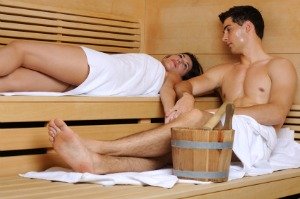
For Americans, the biggest surprise is often the dress code. In most German saunas, swimsuits are not permitted. Instead, visitors use large towels for sitting and lying on, ensuring cleanliness and comfort. This isn’t about exhibitionism — it’s about hygiene and tradition. Fabric traps heat and moisture, which prevents proper sweating and can make benches unsanitary.
Most saunas are also co-ed, meaning men and women share the same spaces. This can feel unusual to visitors at first, but the environment is entirely nonsexual and focused on health. Once you realize that everyone is there for relaxation, not appearance, it quickly becomes normal and even freeing.
Germans also value quiet and respect in saunas. Loud conversations, phones, and disruptions are frowned upon. The sauna is seen as a retreat from stress — a place to unwind physically and mentally.
In Germany, saunas are seen as a family-friendly activity, not an adult-only indulgence. Parents often introduce their children to sauna culture from a young age (though usually with shorter sessions and lower heat). This fosters body positivity and a relaxed attitude toward health and wellness.
In contrast to American views, where spa time is often considered private or indulgent, Germans see sauna-going as part of a balanced lifestyle — something to enjoy regularly, sometimes even weekly, with friends or family.
What to Expect During Your Visit
A typical German sauna session follows a clear structure designed to maximize health benefits:
- Shower First – Visitors always shower before entering the sauna to ensure cleanliness.
- First Sauna Session (8–15 minutes) – Choose a seat on one of the wooden benches; higher benches are hotter. Sit or lie on your towel and relax in silence.
- Cool Down – After leaving the sauna, take a cool or cold shower, and if available, step briefly into a cold plunge pool.
- Rest Period – Spend 15–30 minutes relaxing in a quiet lounge or on a recliner to let your body adjust.
- Repeat – Many people do two or three rounds in total, each followed by a cooling and rest phase.
Some facilities also feature aromatic steam rooms, infrared cabins, or herbal saunas for variety.
The Aufguss Experience
One of the most unique and beloved parts of German sauna culture is the Aufguss, which translates roughly to “infusion.” During this ritual, a sauna master pours water mixed with essential oils onto the hot stones, instantly increasing humidity and releasing aromatic steam.
The sauna master then uses a towel to fan the air around the room, directing waves of heat toward the guests. This creates a dramatic, invigorating experience that feels hotter than a standard sauna session. Popular scents include eucalyptus, citrus, pine, and mint — all of which open the airways and refresh the senses.
In larger spas, Aufguss ceremonies are often scheduled throughout the day and sometimes include calming music or soft lighting effects.
Regional Variations & Famous Saunas
While saunas are widespread across Germany, certain regions are particularly famous for their spa culture:
- Baden-Baden – Perhaps the most famous spa town, known for its thermal baths and elegant Friedrichsbad, a historic Roman-Irish bathhouse combining sauna, steam, and mineral pools.
- Therme Erding (near Munich) – One of Europe’s largest thermal spas, featuring themed saunas, Aufgussceremonies, and a tropical environment.
- Bad Wörishofen – Home of the Kneipp hydrotherapy movement, offering both traditional and therapeutic saunas focused on circulation and recovery.
Saunas in Germany - Final Thoughts
Visiting a sauna in Germany offers far more than just warmth — it’s an immersion into a national tradition centered on health, mindfulness, and community. Once you embrace the cultural differences and follow the local customs, you’ll discover a deeply rejuvenating experience that reflects the German approach to Wohlbefinden: total well-being of body and mind.